What are your thoughts about How to Maintain a Hot Water Heater in a Few Simple Steps?
:max_bytes(150000):strip_icc()/reasons-gas-water-heater-not-working-5212987-hero-fe6b82a59053421c88b7d13ea311d3c5.jpg)
Hot water is crucial for everyday comfort, whether it's for a revitalizing shower or cleaning recipes. To ensure your warm water system runs successfully and lasts longer, normal upkeep is vital. This post provides sensible ideas and insights on just how to preserve your home's warm water system to avoid interruptions and expensive repairs.
Intro
Preserving your home's warm water system may seem complicated, however with a couple of basic steps, you can guarantee it operates efficiently for many years ahead. This guide covers every little thing from understanding your warm water system to do it yourself maintenance ideas and knowing when to employ professional aid.
Significance of Preserving Your Warm Water System
Normal maintenance not just extends the life-span of your hot water system however also ensures it runs effectively. Overlooking upkeep can lead to reduced efficiency, higher power bills, and even premature failure of the system.
Indications Your Warm Water System Needs Maintenance
Recognizing when your hot water system needs focus can prevent major concerns. Look out for indications such as irregular water temperature, unusual sounds from the heater, or rusty water.
Purging the Hot Water Heater
Purging your hot water heater removes debris build-up, improving effectiveness and extending its life.
Checking and Changing Anode Rods
Anode poles prevent corrosion inside the storage tank. Evaluating and changing them when worn out is important.
Complex Problems Needing Specialist Help
Examples include major leakages, electric troubles, or if your water heater is continually underperforming.
Regular Professional Maintenance Advantages
Expert upkeep can consist of detailed examinations, tune-ups, and ensuring compliance with safety standards.
Examining and Adjusting Temperature Settings
Adjusting the temperature settings ensures optimal performance and safety.
DIY Tips for Maintenance
You can perform several maintenance tasks yourself to maintain your warm water system in leading problem.
Checking for Leaks
Frequently examine pipes and connections for leaks, as these can cause water damage and greater bills.
Understanding Your Hot Water System
Before diving right into upkeep jobs, it's valuable to comprehend the standard parts of your warm water system. Typically, this includes the hot water heater itself, pipes, anode rods, and temperature controls.
Monthly Maintenance Tasks
Regular monthly checks can aid capture minor problems prior to they escalate.
Evaluating Pressure Relief Valves
Evaluating the pressure relief valve ensures it functions correctly and prevents too much pressure buildup.
Insulating Pipes
Insulating hot water pipelines lowers warmth loss and can save energy.
When to Call a Specialist
While do it yourself upkeep is helpful, some concerns need professional competence.
Conclusion
Regular maintenance of your home's hot water system is essential for performance, long life, and expense financial savings. By complying with these tips and recognizing when to look for professional help, you can ensure a trusted supply of hot water without unexpected disruptions.
Water Heater Maintenance: The Basics
Maintaining your water heater will ensure it operates efficiently and has a longer lifespan. Neglecting regular maintenance can lead to costly repairs and an even bigger chunk of your savings if you have to replace it sooner than necessary. But there’s good news: Most water heater maintenance tasks are relatively simple and easy for homeowners with basic DIY skills.
Flush the Water Heater
Over time, sediment and minerals can build up in the tank, reducing its efficiency and potentially causing damage. To flush the tank, turn off the power or gas supply, attach a hose to the drain valve near the bottom and open the valve to drain the water until it runs clear. Ideally, flush the tank annually.
Replace the Anode Rod
The anode rod is a sacrificial metal rod that helps prevent corrosion inside the tank. Inspect and replace it every three to five years or per the manufacturer's recommendation. To replace the anode rod, turn off the power or gas supply, drain a few gallons of water from the tank, unscrew the old rod and replace it with a new one. If the anode rod is significantly corroded or covered in calcium buildup, it's a sign the water heater may need to be replaced soon.
Tune-Up
A yearly tune-up can help identify potential issues and ensure your water heater operates at peak efficiency. This typically involves checking the thermostat, burner assembly (for gas heaters) and any other components specified by the manufacturer. During a tune-up, the technician may also clean the burner and adjust the pilot light (for gas heaters) or examine the heating elements (for electric heaters).
How to Maintain Your Water Heater
Insulate the tank. Insulating the tank can improve energy efficiency and reduce heat loss, saving you money on energy bills. You can purchase precut insulation blankets designed specifically for water heaters or use standard fiberglass insulation wrapped securely around the tank. Check the temperature. The recommended water temperature for most households is around 120 degrees Fahrenheit (49 degrees Celsius). Higher temperatures can increase energy costs and potentially cause scalding. Use a kitchen thermometer to check the temperature at the faucet nearest the water heater. Monitor water pressure. Excessive water pressure can strain the water heater and cause leaks or even tank failure. Install a pressure-reducing valve if necessary. The ideal water pressure range is between 60 and 70 PSI (pounds per square inch). Test the temperature and pressure (T&P) relief valve. The T&P relief valve is a safety feature that releases pressure if the tank gets too hot or the pressure builds up too high. Test it annually by lifting the lever and allowing a small amount of water to release. Replace the valve if it doesn't release water or reseal properly. Check for leaks. Regularly inspect the tank, pipes and fittings for leaks or corrosion. Deal with issues promptly to prevent further damage. Even a small leak can lead to significant water damage over time. Consider a tankless water heater. If your traditional tank-style water heater is nearing the end of its lifespan ( typically 10 years), consider replacing it with a tankless water heater. These units heat water on demand, reducing standby energy losses and potentially saving you money on your energy bills. Schedule professional maintenance. While homeowners can perform many water heater maintenance tasks, it's still a good idea to schedule professional maintenance every few years. A plumber or HVAC technician can thoroughly inspect the unit, identify potential issues and ensure it operates safely and efficiently. https://www.homeserve.com/en-us/blog/home-improvement/hot-water-heater-maintanence/
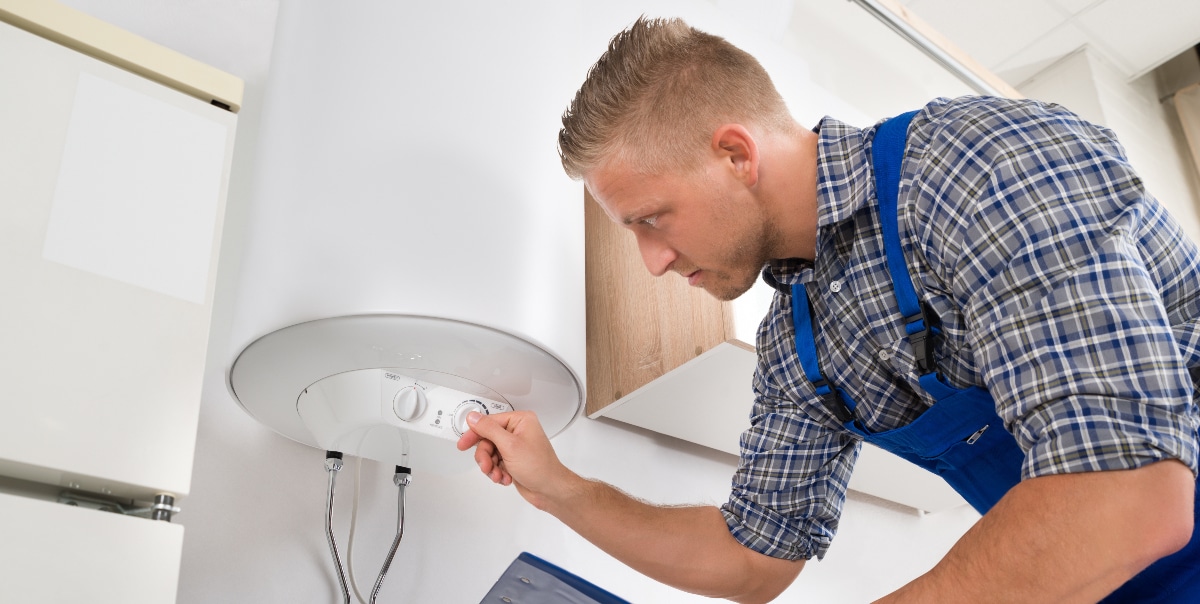
I stumbled upon that write up on How to Maintain a Hot Water Heater in a Few Simple Steps when browsing on the search engines. In case you liked our post if you please consider to share it. We thank you for your readership.
Book Service